
 Virginia lawmakers have revived legislation to add Fairfax County to the list of eligible gaming localities, renewing the debate over establishing a full-scale casino in the county.
State Senate Majority Leader Scott Surovell has reintroduced a bill similar to last year’s, stating that Virginia continues to lose hundreds of millions in gaming revenue to MGM National Harbor in Maryland.
The proposal would allow Fairfax County to hold a voter referendum on permitting a casino, as required by Virginia law. Lawmakers have discussed a large entertainment complex that could include a hotel, convention space, performing arts venue, and casino floor. Supporters believe the development could generate significant tax revenue and retain gambling dollars in Virginia. Opponents remain vocal, citing concerns about traffic, community impact, and the pace of previous proposals.
The revived bill would expand Virginia’s gambling options. Cities such as Bristol, Danville, Portsmouth, and Petersburg have already advanced casino projects. Fairfax County, one of the state’s most economically significant regions, remains the largest locality still considering participation.
Local Pushback and Economic Stakes
While lawmakers argue the casino could help recover revenue lost to neighboring states, Fairfax County residents and local leaders remain divided. Some community members are frustrated that the proposal keeps resurfacing despite previous opposition. The Fairfax County Board of Supervisors has also raised concerns about project location and the county’s control over development.
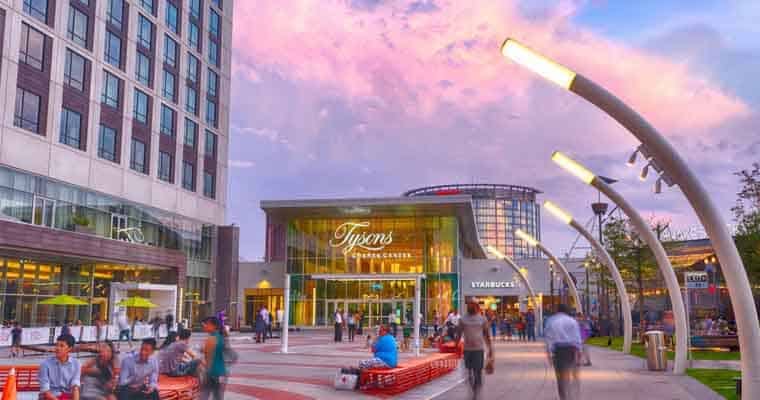
The proposed location, Tysons, has been central to the debate. As one of the region’s busiest commercial hubs, residents have raised concerns about congestion, infrastructure strain, and alignment with long-term development plans. Supporters argue that Tysons’ transit access and commercial density make it the most viable site for a major entertainment venue.
Surovell has emphasized that Virginia loses “a couple of hundred million dollars a year” to MGM National Harbor, a figure he says underscores the need to keep gaming revenue within state borders.
Offshore Online Casinos Fill the Gap for Virginia Gamblers
While legislation is pending, many Virginians seeking casino-style gaming turn to legal online casinos and international platforms that accept U.S. players and operate outside state jurisdiction. These sites offer real-money slots, blackjack, roulette, live-dealer tables, and instant-win games, often with 18+ access and broader payment options, including cryptocurrency.
Online casinos have grown in states like Virginia, where state-licensed online casino gaming remains illegal under current Virginia gambling laws. Online gambling sites provide immediate availability, no‑download gameplay, and round‑the‑clock wagering, features that appeal to players who don’t want to travel to Maryland or wait for state lawmakers to finalize casino legislation.